
The landscape of digital entrepreneurship has shifted dramatically. In 2026, the question is no longer if you should adopt artificial intelligence, but how fast you can integrate it into your digital transformation strategy to stay competitive. Understanding how to use AI tools for online business automation has evolved from a luxury for tech giants into an essential toolkit for solopreneurs and small teams alike. By leveraging intelligent workflows and time-saving automation, you can reclaim dozens of hours each week, allowing you to focus on high-level strategy rather than repetitive manual tasks.
Whether you are managing an e-commerce store, a content-driven blog, or a SaaS platform, modern AI tools allow you to build agentic workflows—systems that don’t just follow rules but make autonomous decisions based on real-time data. This guide will walk you through the practical steps on how to use AI tools for online business automation, enhancing operational efficiency and providing scalability solutions to automate your operations and scale your business efficiently.
Identifying the Right Tasks for AI Automation
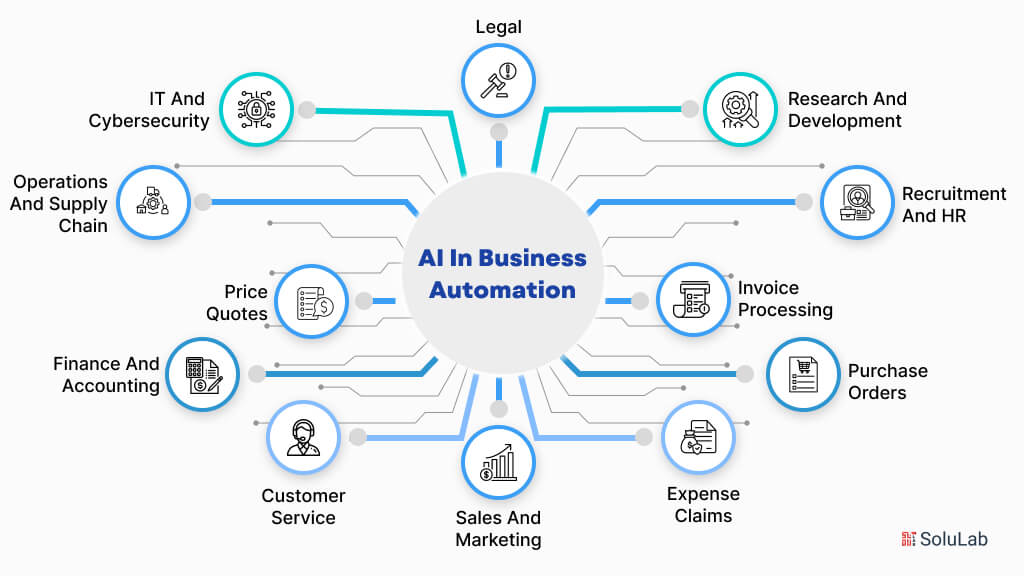
Before jumping into complex software, you must audit your daily operations. The most successful businesses understand how to use AI tools for online business automation by applying principles of business process automation (BPA) and starting with the “low-hanging fruit”—tasks that are repetitive, rule-based, and high-volume.
The “Rule of Three” for Automation
To determine if a task is ready for AI, apply the Rule of Three:
- Frequency: Does this task happen at least three times a week?
- Standardization: Is there a clear, repeatable process for completing it?
- Low Complexity: Does the task require minimal human empathy or high-level creative judgment?
If you answered “yes” to all three, it is a prime candidate for automation. Common examples include customer support ticket routing, social media scheduling, data entry, and lead qualification. AI also excels in areas like CRM automation for follow-ups and content generation for marketing materials. By offloading these to AI, you ensure consistency and eliminate the risk of human error.
Building Your AI Tech Stack: Top Tools for 2026
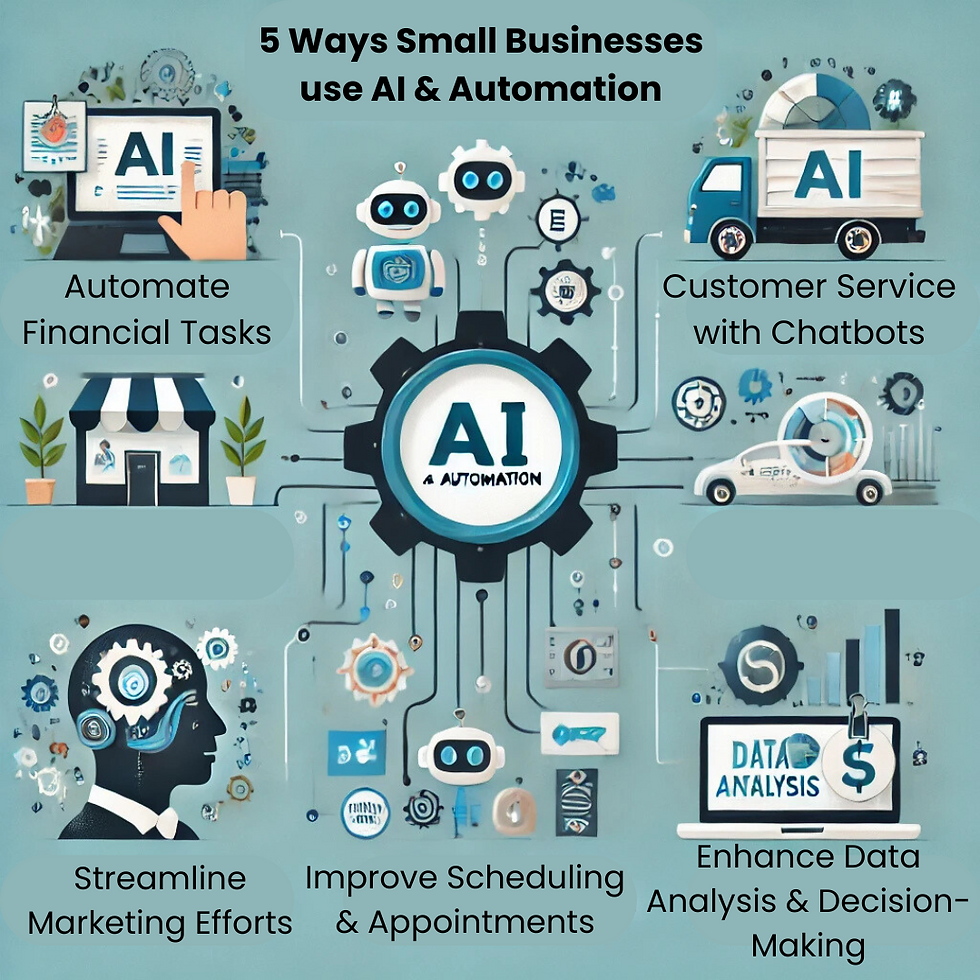
The 2026 market is flooded with options, but the best businesses focus on an integrated AI tech stack and robust workflow automation software to master how to use AI tools for online business automation. You don’t need a PhD in computer science to set this up; modern platforms like Zapier, Make, and agent-based AI assistants have made automation accessible to everyone.
Categories of Essential AI Tools
Workflow Orchestration: Platforms like Zapier and Make act as the “connective tissue” between your apps. They allow you to trigger actions in one tool based on events in another, such as automatically adding a lead to your CRM when they fill out a website form.
Agentic AI Assistants: Tools like Claude 3.7 or GPT-5-powered agents can now manage complex tasks, such as researching market trends, performing AI-powered analytics, or summarizing long documents, enabling more data-driven decision making without constant hand-holding.
Content & Marketing AI: From Jasper to Canva’s Magic Studio, these tools handle the heavy lifting of visual and written asset creation, ensuring your brand presence remains active 24/7.
Customer Experience (CX) AI: AI-driven chatbots now handle over 80% of routine inquiries, providing instant, personalized support that scales with your traffic.
Step-by-Step Implementation: From Manual to Autonomous
Moving to an automated business model doesn’t happen overnight. Learning how to use AI tools for online business automation requires a structured approach to ensure your systems are resilient and maintainable.
1. Map Your Current Process
Before automating, document your current workflow. Use a tool like Lucidchart or a simple whiteboard to map out every step of a process, such as your email marketing workflow.
2. Choose Your Integration Points
Identify where data moves between apps. For example, if a customer makes a purchase on your Shopify store, does that data automatically flow to your email marketing tool (like Klaviyo) and your accounting software (like QuickBooks)? If not, that is your first integration point.
3. Test in Sandbox Environments
Never deploy an automated workflow directly to your live customer-facing systems. Create a “sandbox” or a test account to ensure the AI logic behaves as expected. Watch for “looping” errors or incorrect data formatting before scaling.
4. Monitor and Optimize
AI automation is not “set it and forget it.” In 2026, proactive monitoring is key. Set up alerts for failed automation tasks so you can intervene quickly. As your business grows, revisit these workflows to see if they can be optimized for higher throughput or better accuracy.
The Power of Agentic Workflows
We are moving past simple “if-this-then-that” automation into the era of agentic workflows. This represents a significant leap in how to use AI tools for online business automation, driving unprecedented operational efficiency. Unlike traditional automation, which follows rigid logic, agentic AI uses large language models to reason through tasks.
Why Agents are a Game Changer
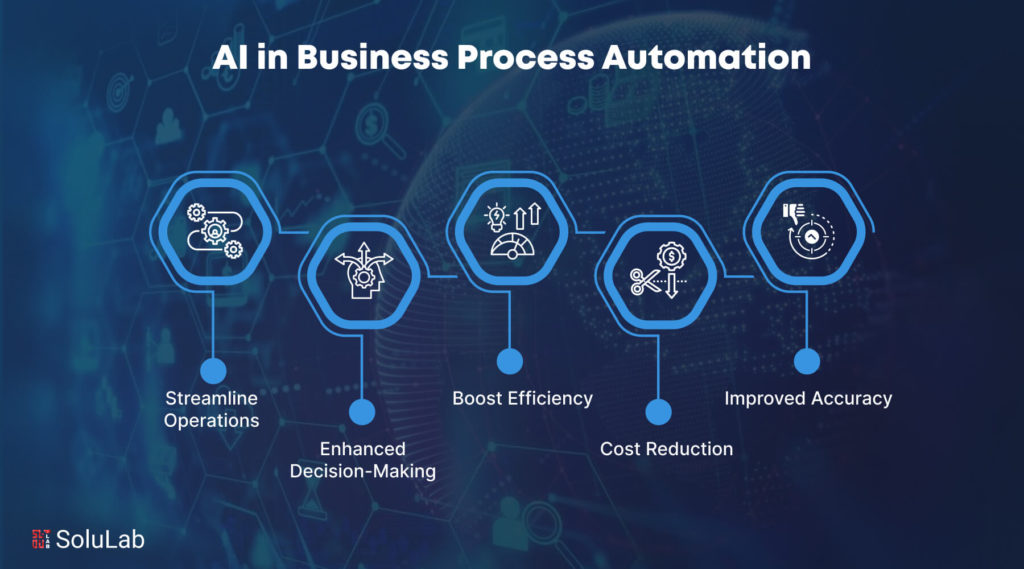
An AI agent can be given a goal—such as “research competitors’ pricing and update our spreadsheet”—and it will figure out the sub-steps required to accomplish that goal. This level of autonomy is revolutionizing market intelligence, business productivity, and providing powerful scalability solutions. By 2026, teams that leverage agentic workflows are seeing a 40% reduction in operational overhead compared to those using manual or legacy automation tools.
Overcoming Common Automation Pitfalls
While the benefits are clear, many entrepreneurs encounter hurdles when learning how to use AI tools for online business automation. Avoiding these common traps is essential for long-term success.
Over-Automating: Don’t automate a broken process. If your manual process is inefficient, automating it will only make your inefficiency happen faster. Fix the process first, then automate it.
Neglecting the Human Touch: AI is excellent at data and speed, but it lacks the nuance of human connection. Ensure that your automated emails and support responses are periodically reviewed to keep them authentic and empathetic.
Data Security Concerns: When using AI tools, ensure you are compliant with data privacy regulations (GDPR, CCPA). Never feed sensitive customer data into public, unverified AI models. Use enterprise-grade versions of tools that offer data privacy guarantees.
The “Black Box” Problem: If an automation fails, you need to understand why. Avoid overly complex, “spaghetti” workflows that are impossible for team members to troubleshoot. Keep your automation logic clean, documented, and modular.
The Future of Online Business: AI-First Operations
As we look further into 2026 and beyond, the definition of an “online business” is evolving. The most successful companies will be AI-first, meaning they build their processes around the capabilities of intelligent software rather than forcing software to adapt to legacy manual workflows, truly mastering how to use AI tools for online business automation and accelerating their digital transformation for peak operational efficiency.
Predictive analytics will become standard, allowing even the smallest businesses to forecast sales, manage inventory, and predict customer churn with high precision. Automation will no longer be a competitive advantage; it will be the baseline requirement for survival. By starting your journey today, you are not just saving time—you are building a more resilient, scalable, and future-proof enterprise.
Conclusion: Start Small, Think Big
Learning how to use AI tools for online business automation is a journey of continuous improvement. You don’t need to automate your entire business in a single week. Start with one high-impact area—like customer onboarding or lead nurturing—and observe the results.
As you become more comfortable with the tools, expand your scope to more complex areas like supply chain management or content strategy. The beauty of 2026’s AI ecosystem is that it is highly modular. You can start with a simple Zapier connection and eventually graduate to a fully autonomous AI agent network.
The goal is to reclaim your time, reduce your operational overhead, and make your business more responsive to the market. With the right strategy, your business can operate at a level of efficiency that was previously reserved for massive corporations. The era of the automated entrepreneur is here—are you ready to scale?